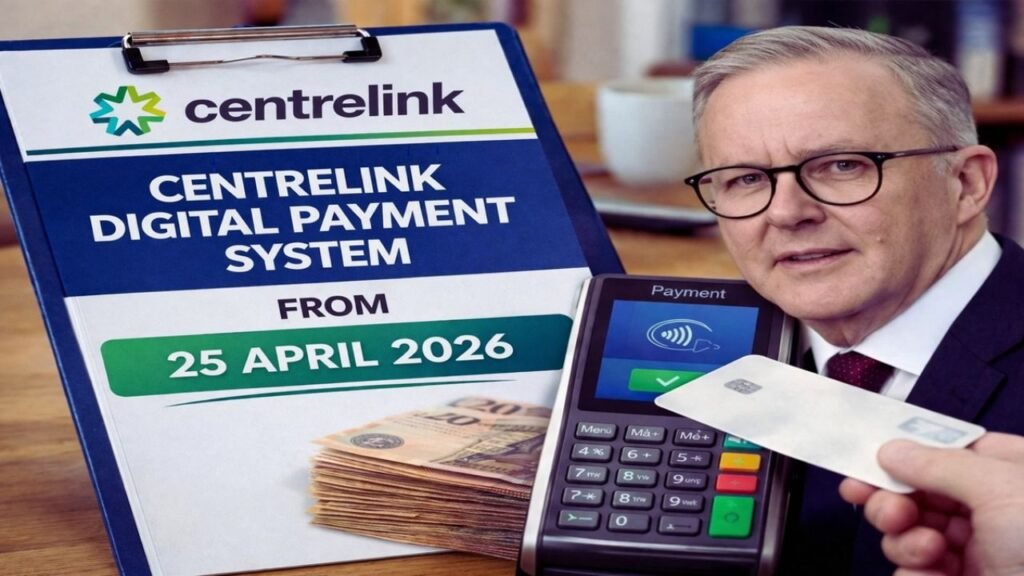
Starting 25 April 2026, Australia’s benefit delivery landscape is set to evolve with the rollout of a major upgrade to the Centrelink digital payment system. Designed to accelerate benefit deposits and reduce administrative delays, this modernization aims to provide millions of Australians with faster, more reliable financial support.
In an era where digital payments occur instantly and financial expectations continue to rise, delays in benefit transfers can disrupt household stability. The new system introduces advanced automation and improved digital infrastructure to ensure funds reach recipients sooner, strengthening confidence in public service delivery.
This transformation reflects a broader shift toward modern, citizen-focused services that prioritize speed, transparency, and security.
Why Faster Benefit Payments Matter in a Digital-First Economy
In today’s connected economy, financial transactions happen in seconds. Utility bills, online purchases, and subscription payments are processed immediately, creating a new standard for financial efficiency. Government benefit systems must evolve to match these expectations.
For many households, Centrelink payments represent essential income used to manage everyday expenses such as housing, food, healthcare, and education. Even minor payment delays can create financial stress, especially for families operating within tight budgets.
Faster deposits help individuals maintain financial stability, reduce reliance on emergency borrowing, and support consistent household planning. By modernizing payment timelines, the updated system aligns public services with the realities of modern financial life.
The Rising Demand for Efficient Government Services
Population growth and economic shifts have significantly increased the volume of benefit transactions processed each year. Traditional systems often struggled to manage high demand during peak periods, resulting in slower approvals and payment delays.
The new digital payment system addresses these challenges through scalable technology capable of handling large transaction volumes without performance bottlenecks. This ensures reliable service delivery even during busy periods such as public holidays or financial reporting cycles.
More importantly, the move toward efficiency builds trust. When recipients receive payments on time, they gain confidence in the reliability of government support systems.
Key Enhancements in the Updated Digital Payment System
The upgraded Centrelink platform introduces several technological improvements designed to streamline workflows and reduce processing delays. These enhancements focus on automation, faster data verification, and seamless integration with existing services.
While technical details continue to evolve, the core improvements revolve around minimizing manual intervention and maximizing digital efficiency.
Automated Processing for Faster Results
Automation is at the heart of the new payment framework. Tasks that once required manual review can now be processed through intelligent workflows, significantly reducing approval times.
This means eligibility checks, payment confirmations, and fund transfers occur more quickly than before. As a result, recipients may experience shorter waiting periods between claim approval and payment arrival.
Automation also reduces the likelihood of human error, improving overall accuracy and consistency across transactions.
Real-Time Data Integration
One of the most impactful upgrades involves real-time data synchronization across multiple systems. When users update information such as employment details or income changes, the system processes those updates instantly.
This seamless data flow helps ensure payment calculations remain accurate and eliminates delays caused by outdated information.
Real-time integration also improves responsiveness, allowing users to receive timely updates regarding their claims and payment status.
Improved Mobile and Online Accessibility
The modernized system is designed with mobility in mind. Enhanced compatibility with smartphones and tablets allows recipients to manage their accounts, track payments, and receive notifications from virtually anywhere.
Mobile-friendly access supports busy lifestyles and encourages greater engagement with digital services. Users can monitor payment activity, verify details, and receive alerts without relying on desktop devices.
How Faster Deposits Benefit Australian Households
The practical benefits of faster payments extend far beyond convenience. For many households, predictable income timing plays a critical role in managing daily responsibilities.
Timely deposits reduce financial uncertainty and allow recipients to plan expenses with confidence.
Strengthening Financial Stability
When payments arrive on schedule, households can meet financial commitments such as rent, utilities, and groceries without delay. This stability reduces stress and supports healthier financial habits.
For individuals navigating unemployment or career transitions, prompt payments provide a reliable safety net while they pursue new opportunities.
Supporting Families and Caregivers
Families often depend on government support to manage education, childcare, and household expenses. Faster deposits ensure that essential funds remain available when needed most.
Reliable payments also help caregivers maintain consistent routines and meet ongoing medical or support-related costs.
Enhancing Support for Pensioners and Vulnerable Groups
Older Australians and individuals living with disabilities rely heavily on timely income to manage daily living expenses. Reduced payment delays provide reassurance and promote greater independence.
For vulnerable groups, predictable financial support strengthens long-term well-being and reduces reliance on emergency assistance.
Security and Privacy in the New Payment Framework
Speed alone is not enough—security remains a fundamental priority in any digital financial system. The updated Centrelink platform incorporates advanced safeguards to protect sensitive information and maintain public trust.
Advanced Encryption and Fraud Protection
Modern encryption technologies protect personal and financial data during every stage of the transaction process. This ensures that account information remains secure from unauthorized access.
Fraud detection systems monitor unusual activity patterns and flag potential risks before they escalate. These protective measures create a secure environment where users can confidently manage their finances.
Transparent Payment Tracking
Transparency is another key feature of the updated system. Users receive clear notifications when payments are approved, processed, and deposited.
Detailed payment histories allow recipients to review transactions and verify records quickly. This level of visibility enhances accountability and reduces confusion.
The Broader Shift Toward Digital Government Services
The Centrelink payment upgrade represents more than a single technological improvement—it signals a wider commitment to digital transformation across public services.
Governments worldwide are embracing digital platforms to enhance service efficiency and meet the expectations of modern citizens. Australia’s investment in advanced payment infrastructure demonstrates a proactive approach to long-term innovation.
Preparing for Future Financial Technologies
Modern systems create opportunities for future advancements, including improved automation tools and smarter resource allocation. These innovations support sustainable service delivery and ensure continued reliability as demand grows.
By adopting scalable technologies today, public institutions prepare for tomorrow’s challenges, including increased user volumes and evolving financial needs.
Encouraging Digital Confidence Among Users
As digital services become more intuitive and reliable, users gain confidence in managing their finances online. Increased engagement with secure digital platforms also promotes financial literacy and informed decision-making.
This confidence supports broader adoption of online tools that simplify everyday financial management.
What Recipients Can Expect After 25 April 2026
Following the launch of the upgraded digital payment system, recipients may notice several immediate improvements in their overall experience.
Payments are expected to process more efficiently, reducing waiting periods between approval and deposit. Notifications and tracking tools will provide clear insights into payment progress, making it easier to anticipate incoming funds.
Users are encouraged to ensure their account information remains accurate and up to date to benefit fully from the enhanced system capabilities.
A New Era of Faster, Smarter Benefit Delivery
The rollout of the upgraded Centrelink digital payment system on 25 April 2026 marks a significant step forward in modernizing public financial services. By combining automation, real-time processing, and robust security, the new framework promises faster deposits and improved reliability for millions of Australians.
This transformation is about more than speed—it represents a commitment to delivering dependable support in a rapidly evolving digital world. As technology continues to shape everyday life, efficient and secure payment systems will remain essential to maintaining financial confidence and stability.
With enhanced accessibility, improved accuracy, and stronger safeguards, the updated system sets a new benchmark for government service delivery—one built on efficiency, trust, and forward-thinking innovation.